Private Cooking Lessons
Get a private introduction to Cantonese or Japanese home cooking with personalized coaching and cooking time with Chefs Elaine Sher and Mikiko Yang. This 6-week program is designed for up to two students who want to become confident home cooks who can whip up simple, authentic, and comforting dishes and soups any day of the week. And, you can take home all the food you made.
Private lessons take place on a weekday afternoon (11am–2pm), one day a week, for 6 weeks. Pricing starts at $3,960 for one or two students for the full 6-week program.
Choose your curriculum
Six-week programs for one or two students only.
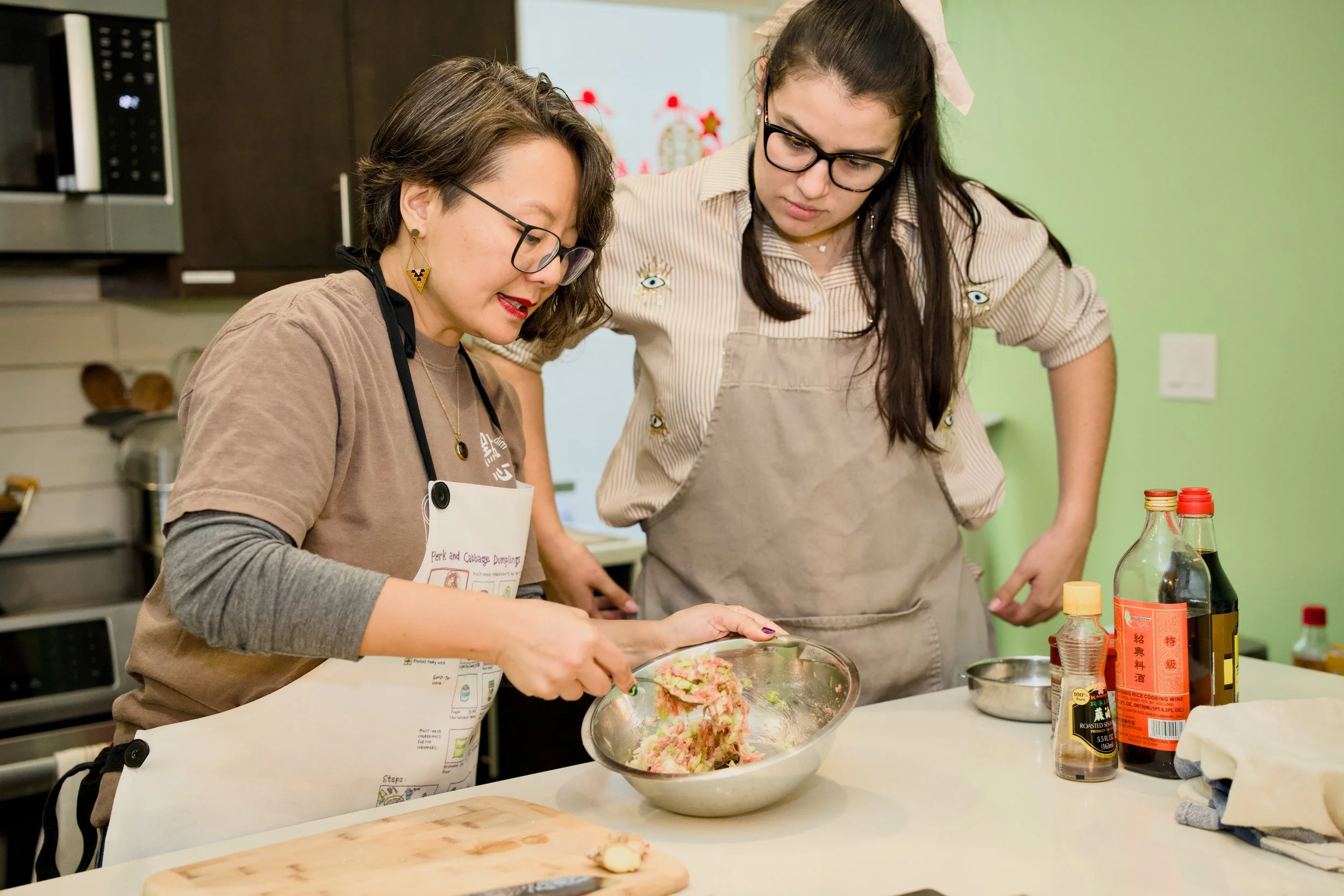

Cantonese Home Cooking
with Chef Elaine Sher
The curriculum runs over 6 weeks and can be modified based on your skill level, goals, and dietary needs (vegan, vegetarian, gluten-free, etc).
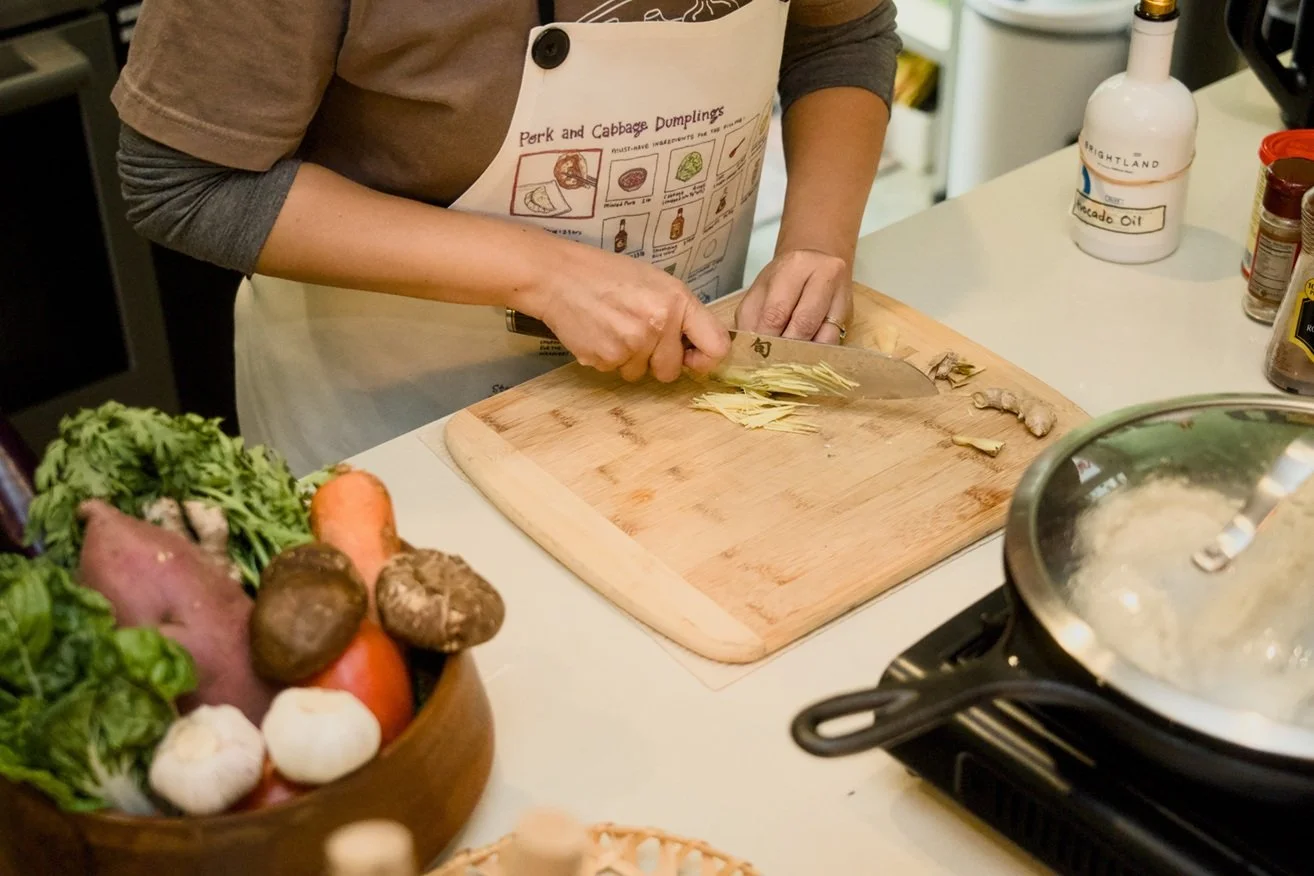
Knife Skills
Skills: Holding, using, sharpening and caring for a chef’s knife; dicing, julienning, mincing, and thinly slicing beef.
Menu: Congee with Sweet Potato, and Stir-Fried Beef and Broccoli.
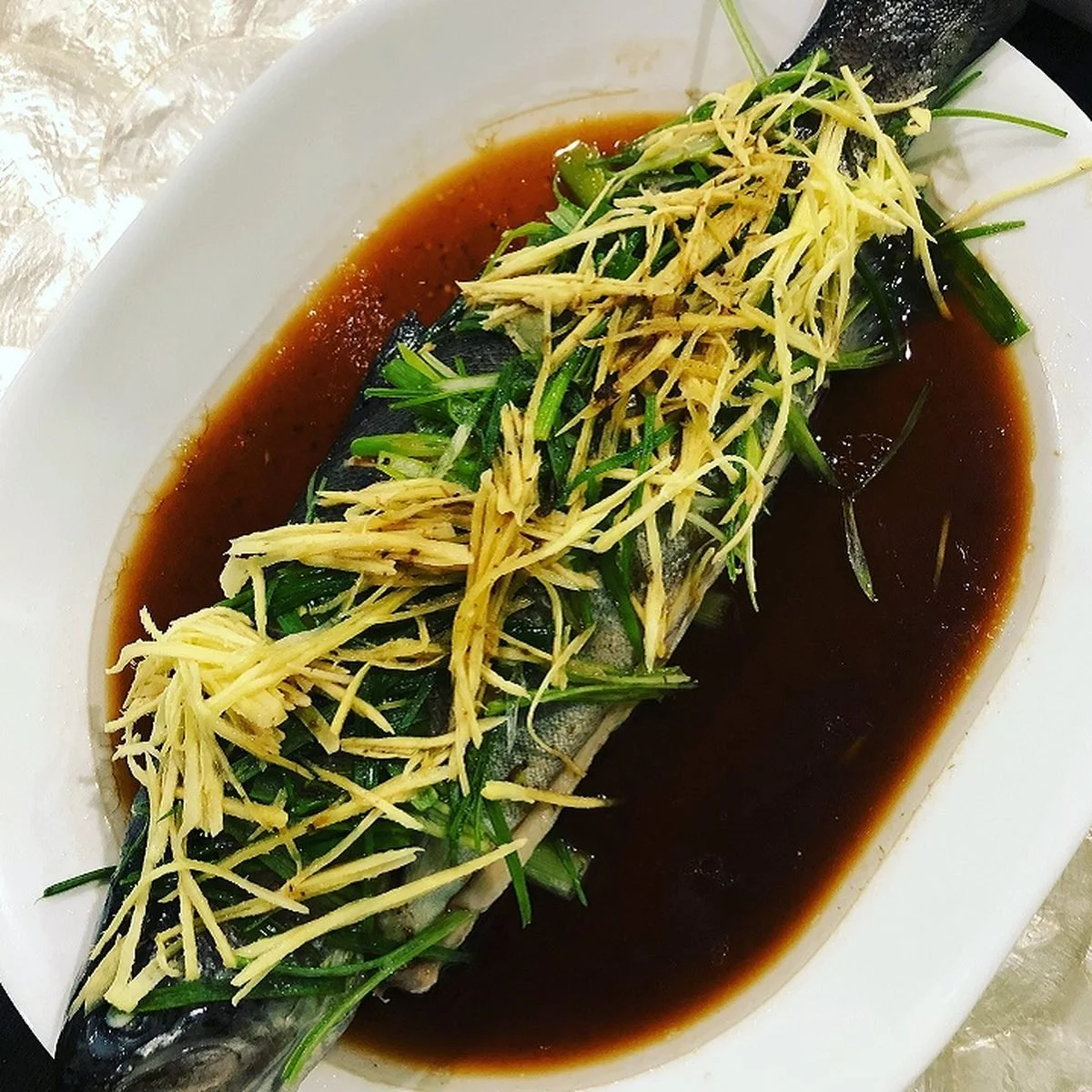
Fish and Prawns
Skills: Picking and cleaning fresh fish, cleaning and deveining prawns, building a sauce from the heads and shells, shallow frying.
Menu: Cantonese-Style Steamed Fish with Homemade Ginger and Scallion Soy Sauce, Sweet and Sour Prawns, and Prawn Toast (bonus).

Wok Cooking
Skills: Prepping, cleaning and caring for a wok; a classic Cantonese marinade; velveting; wok hey and guo wok.
Menu: Stir-Fried Chicken and Napa Cabbage with Sa Cha Sauce (seafood flavor), Stir-Fried Bok Choy with Garlic, and Stir-Fried Egg Noodle with Bean Sprout and Garlic Chive (Vegetarian).

Dumpling Masterclass
Skills: Homemade wrappers; pan-frying, boiling and steaming dumplings.
Menu: Pork and Cabbage Dumplings, Xiao Long Bao (Steamed Pork Soup Dumplings), and Vegan Dumplings with Garlic Chives.
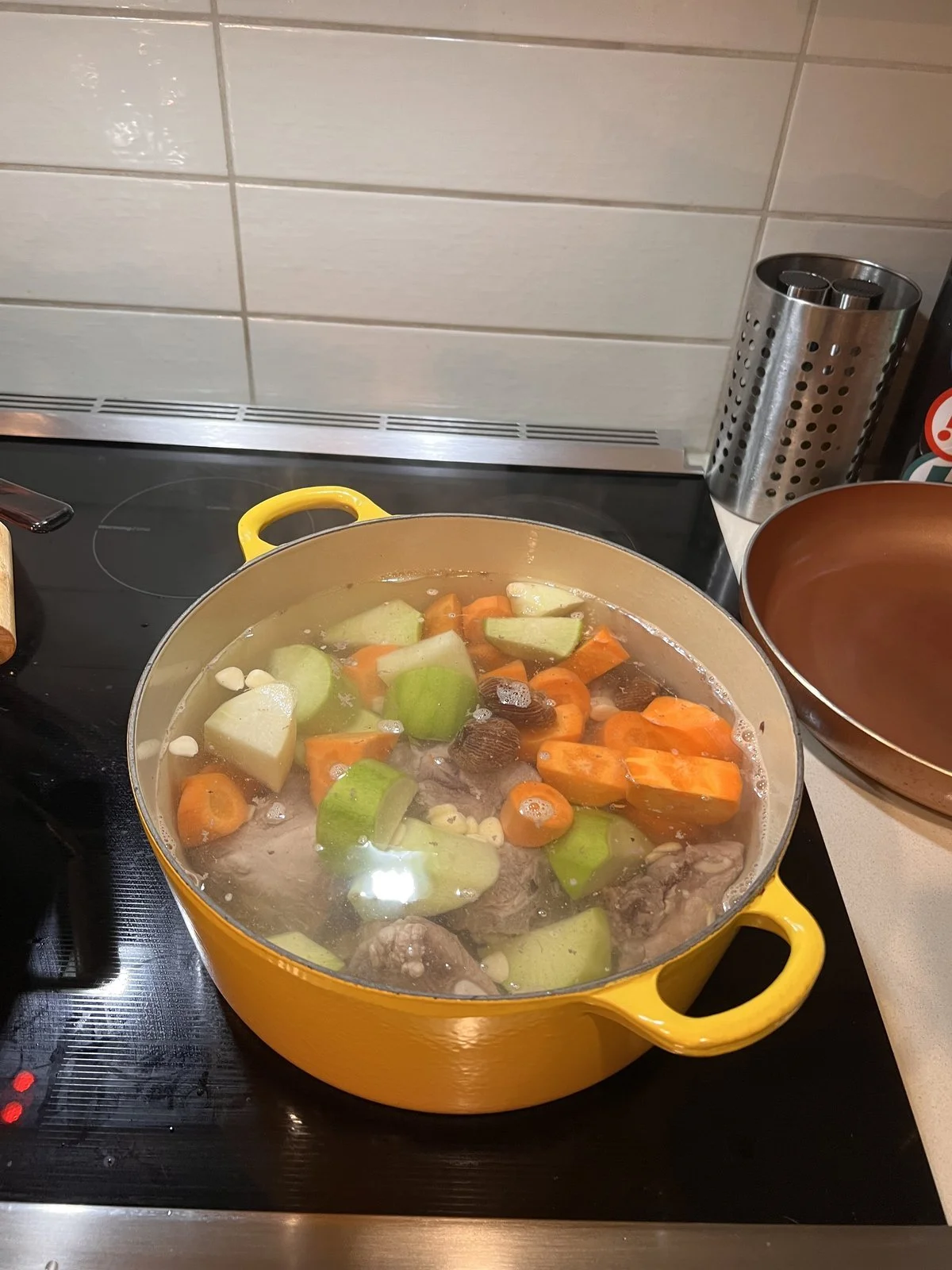
Chinese Herbs and Soups
Skills: Intro to Cantonese dry herbs; preparing meat and herbs for slow-cooked soup; building flavors using herbs.
Menu: Slow-Cooked Soup with Carrot, Green Daikon, and Pork Neck Bone, Chinese Spiced Brine (Lo Seoi), and Vegan Broth.
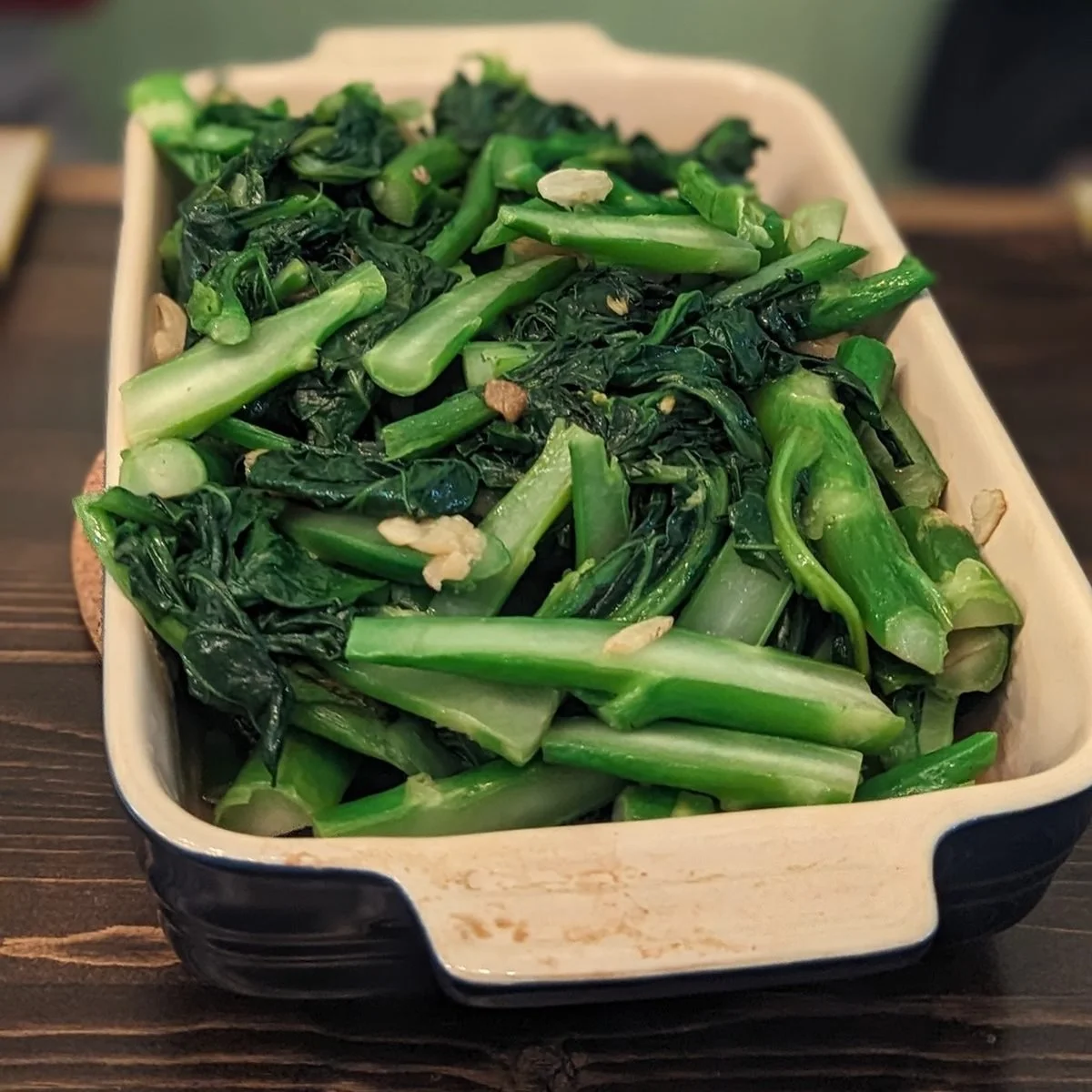
Asian Greens and Sauces
Skills: Intro to classic Cantonese sauces; tips to pick, cut, and prepare Asian vegetables (seasonal).
Menu: Umami Fried Rice with Fermented Tofu Sauce, and Stir-Fried Mixed Vegetables (seasonal).
Japanese Home Cooking
with Chef Mikiko Yang
The curriculum runs over 6 weeks and can be modified based on your skill level, goals, and dietary needs (vegan, vegetarian, gluten-free, etc).
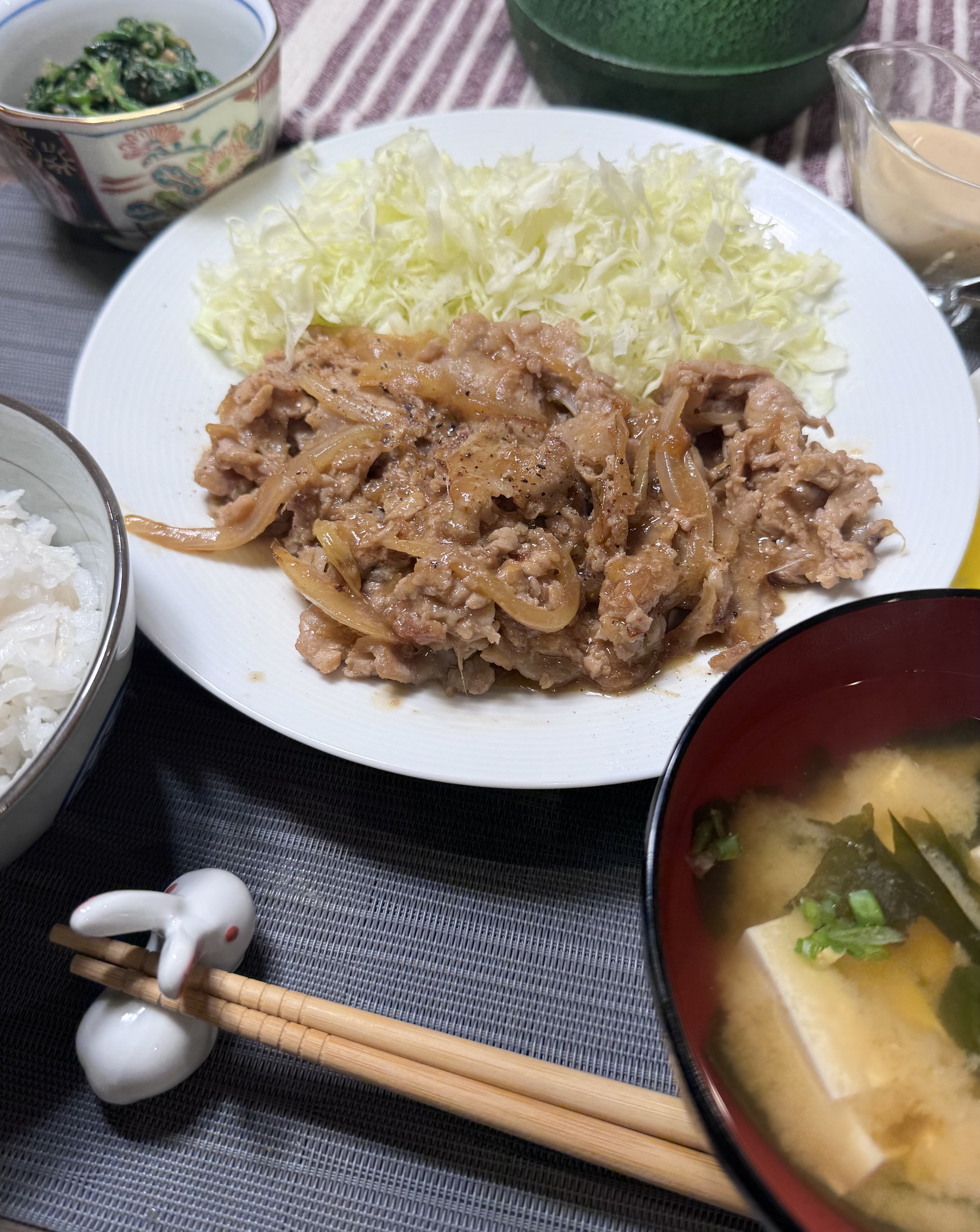
Foundations of Washoku (Japanese Cuisine)
Skills: Cooking rice, brewing dashi stock, fast-searing, vegetable blanching, and Ichiju-Sansai (one soup, three sides) meal structure.
Menu: Ginger Pork (Shogayaki), Miso Soup, Spinach Goma-ae (Sesame Dressing), Grilled and Marinated Shrimp and Kabocha (Yakibitashi), and Steamed White Rice.

Daily Comfort Proteins
Skills: Pan-frying and glazing, Japanese seasoning order (Sa-Shi-Su-Se-So), and simmering liquid ratios (nimono).
Menu: Salmon Teriyaki (or Miso-zuke Miso-Marinated Salmon), Nikujaga (Simmered Beef and Potato Stew), and Cucumber Sunomono (Vinegared Salad).

Homestyle Bento Preparation
Skills: Visual and nutritional balance rules (Goshoku five-color method), packing for transport, and Japanese deep-frying (karaage technique).
Menu: Chicken Karaage (Japanese Fried Chicken), Lotus Root Kinpira Stir-Fry, Rolled Egg Omelet (Tamagoyaki), Asazuke (Quick Pickles), and Onigiri (Rice Balls).

The Art of Tempura
Skills: Oil temperature control, cold batter mixing (preventing gluten development), and “flowering” (hanasaki) batter technique.
Menu: Shrimp and Vegetable Tempura with Tentsuyu Dipping Sauce, Quick Noodle Soup, and a Seasonal Vegetable Side.

The Craft of Sushi
Skills: Seasoning and cooling sushi rice (sumeshi), slicing sushi fillings, and makizushi rolling techniques.
Menu: Assorted Sushi Platter (Makizushi Variations) and Chawanmushi (Savory Steamed Egg Custard).

Custom Choice Workshop
Skills: Menu planning, multi-dish kitchen time management, and student-choice execution.
Menu Options: Gyoza (pleating and pan-steaming), Katsu Curry (panko breading and deep-frying), or Donburi Rice Bowls (skillet egg-binding technique).
What’s included
- All ingredients and equipment
- Written recipes and notes after every class
- Take home all the food you made, so bring your containers
- Vegan, vegetarian and gluten-free versions of the curriculum
Tell Elaine which curriculum you’re interested in, what you want to be able to cook, and which weekday afternoons work for you.
FAQ
Do I need to know how to cook already?
No. Elaine and Mikiko have taught people who had never held a chef’s knife properly, and people who cook every night and want to fix one specific thing.
When do classes run?
Weekday afternoons, 11am to 2pm. Weeknight classes can be arranged at a higher rate. There are no weekend sessions.
How often are the classes?
About one class a week, scheduled around your availability.
Can the six classes change?
Yes. The order and the subjects hold, but your chef adjusts the dishes inside each one to your skill level and what you want to be cooking at home.
What if I’m vegan, vegetarian, or gluten-free?
Let your chef know at the start and they’ll build the curriculum around it.
Can I bring my partner or a friend?
Yes, you can. The price is for up to two students for all 6 weeks.
Where do the classes take place?
At the Dash of Soy studio, 6726B Corson Ave S in Georgetown. Free street parking, five minutes from SODO and ten from downtown Seattle.