Homemade Lao Noodle Soups (Gluten-Free)
There are noodle soups you make from a packet, and then there are the ones Chef Soy Dara grew up making for Lao community gatherings and temple events — the kind where the broth develops slowly and the noodles are cut and pressed by hand. This class is all about learning from Chef Soy how to make Homemade Lao Noodle Soups from start to finish.
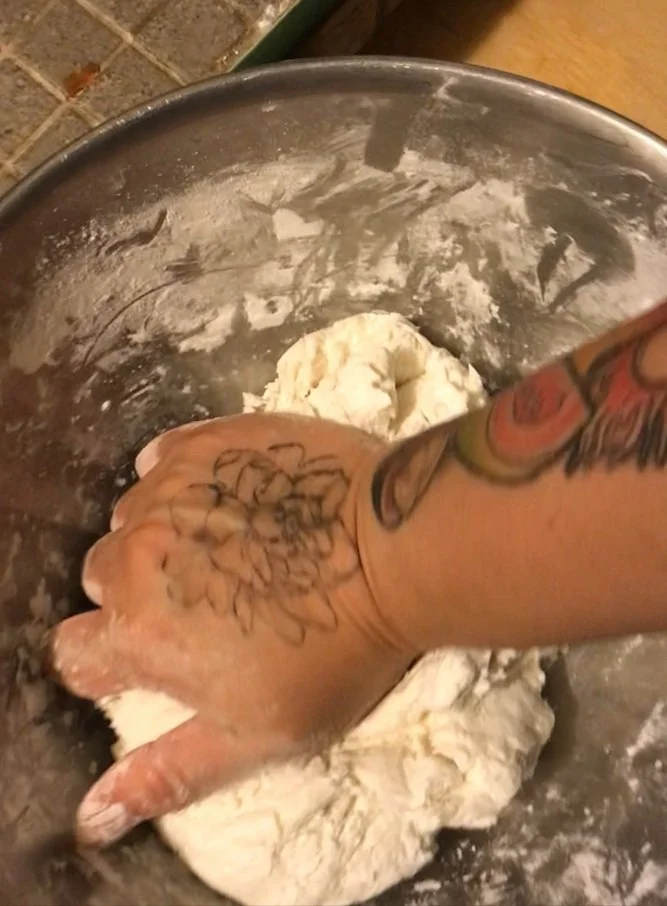
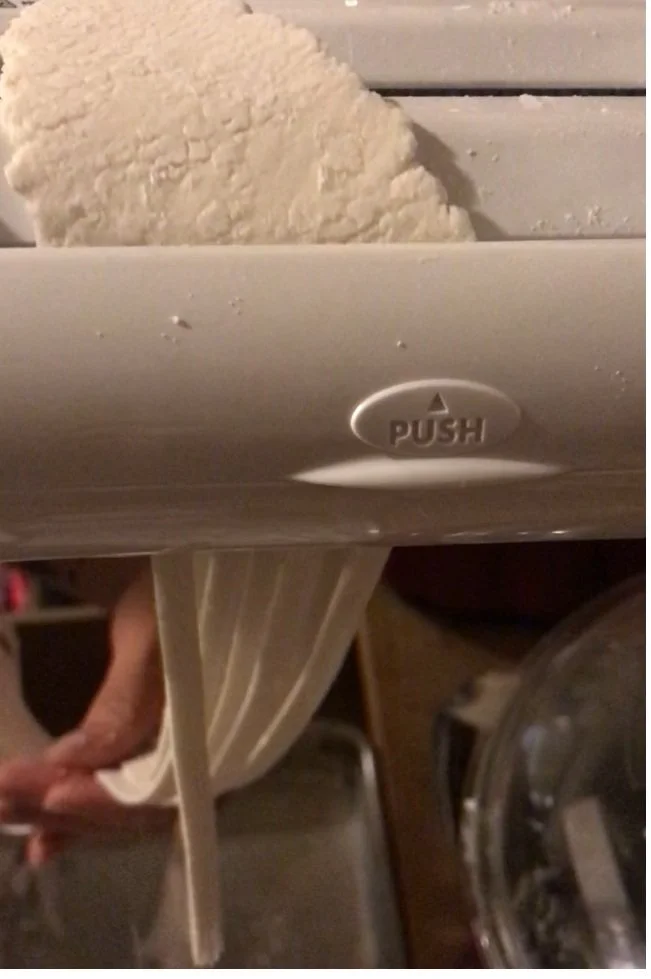
First come the noodles. You'll knead and cut khao piak sen, fresh Lao-style noodles made from tapioca starch and rice flour. You’ll also make sen khao poon by pressing through a potato ricer to form delicate, round vermicelli strands. Both are naturally gluten-free and cook up with a satisfying chew that dried noodles don't come close to. Then you'll learn to serve them in two very different broths. Khao poon naam gai is a red curry coconut broth loaded with shredded chicken, snake beans, banana flower, and mint, built on a homemade nam prik gaeng phet (red curry paste) you'll also make from scratch. Khao piak naam moo is a gingery, garlicky pork broth — rich and clean, with every bowl seasoned individually at the table with fish sauce, white pepper, fried shallots, fried garlic, and lime. All dishes are gluten-free.
New to khao piak and khao poon? Khao piak sen and khao poon are two of the most beloved noodle dishes in Lao home cooking, and two of the least represented in Lao restaurants outside the community. Khao piak refers to the fresh, hand-cut tapioca and rice noodles that thicken slightly as they cook in broth, giving each bowl a body and texture that dried noodles simply don't replicate. Khao poon is a thin, round rice noodle pressed through a ricer directly into boiling water — most recognizable as the noodle in the coconut curry chicken soup it's traditionally paired with, fragrant with lemongrass, galangal, and makrut lime leaves. The garnishes matter as much as the broth: banana flower (bua kluai), snake beans, fresh mint, and cilantro go in every bowl of khao poon naam gai, while khao piak naam moo is finished at the table with fried shallots, fried garlic, and a squeeze of lime — each bowl seasoned by the person eating it. Both noodle styles are naturally gluten-free and have been central to Lao communal eating for generations, the kind of dishes that show up at every family gathering, Buddhist temple event, and celebration. Learning to make them is a skill that has always been passed down through cooking together, not from recipes alone. That's exactly what this class is for.
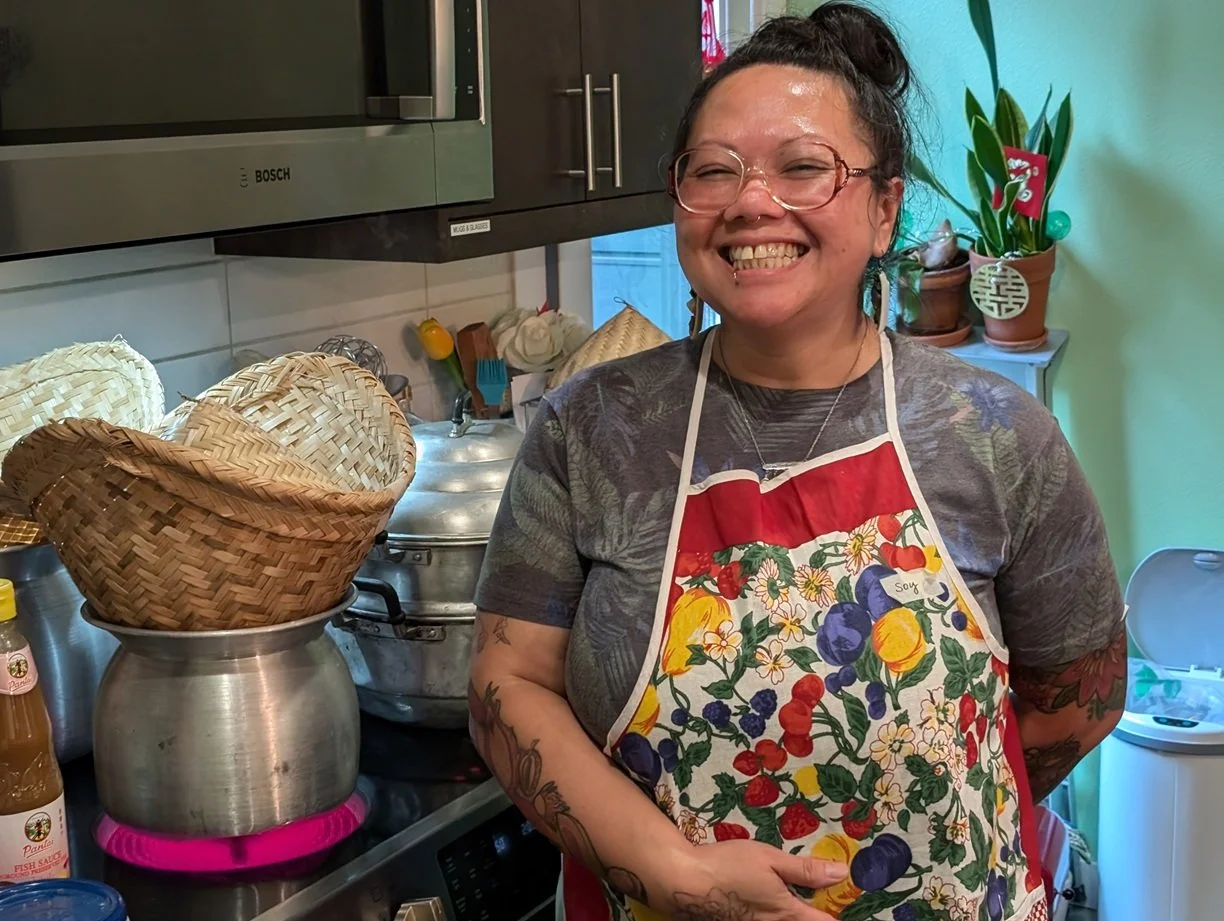
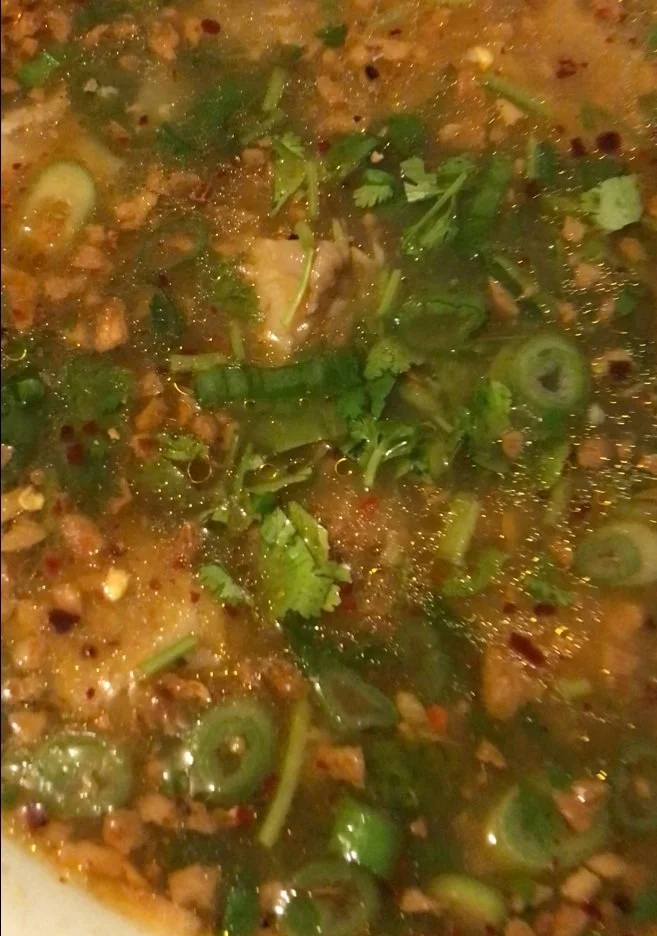
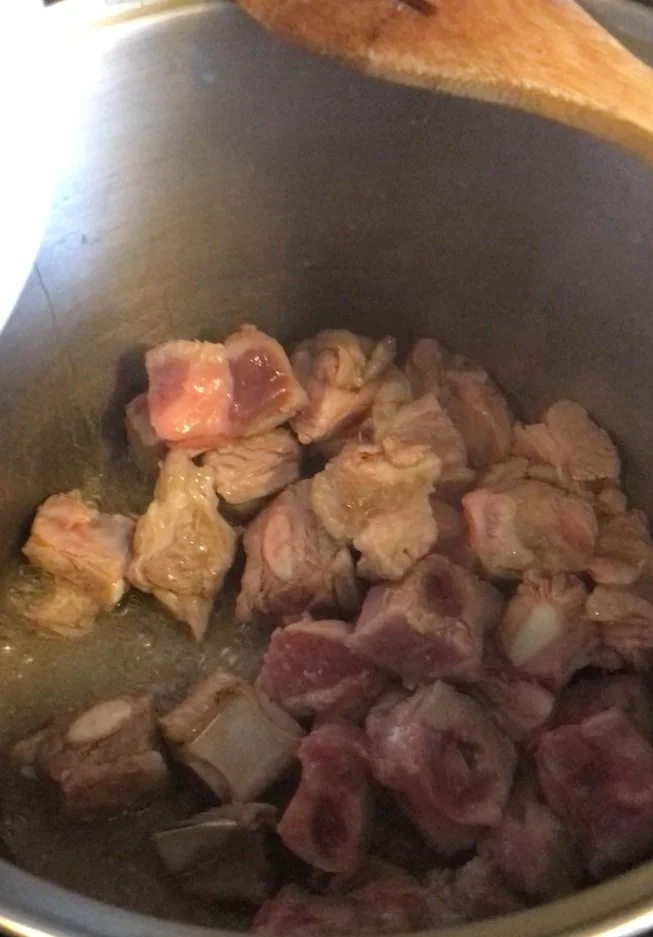
This class is taught by Soy Dara. Soy Dara was born in a refugee camp in northern Thailand, a member of a Lao family fleeing the conflict in their home country. At the age of four she resettled in the United States along with her mother, and stayed connected to Lao culture by cooking for community gatherings and Lao Buddhist Temple events. To this day, Soy loves food for the way it brings people together. Currently, she is a full-time chef at The Pantry, as well as their Kids Programming Coordinator.
Book a class.
New dates are being added all the time. If you don’t see any class dates listed below, pre-register for free so we know what classes to prioritize. You can also book a private event if you have at least 4 people in your group.
All sales are final with no refunds. We need a minimum of 4 students to host a class. If you signed up but we didn’t have enough students, unfortunately we need to reschedule. We will work with you directly to find a new date. Thank you for your understanding.
Here’s the full menu:
Khao Piak Sen (Lao-Style Fresh Tapioca and Rice Noodles)
Sen Khao Poon (Fresh Vermicelli Rice and Tapioca Noodles)
Nam Prik Gaeng Phet (Homemade Red Curry Paste)
Khao Poon Naam Gai (Red Curry Coconut Chicken Noodle Soup)
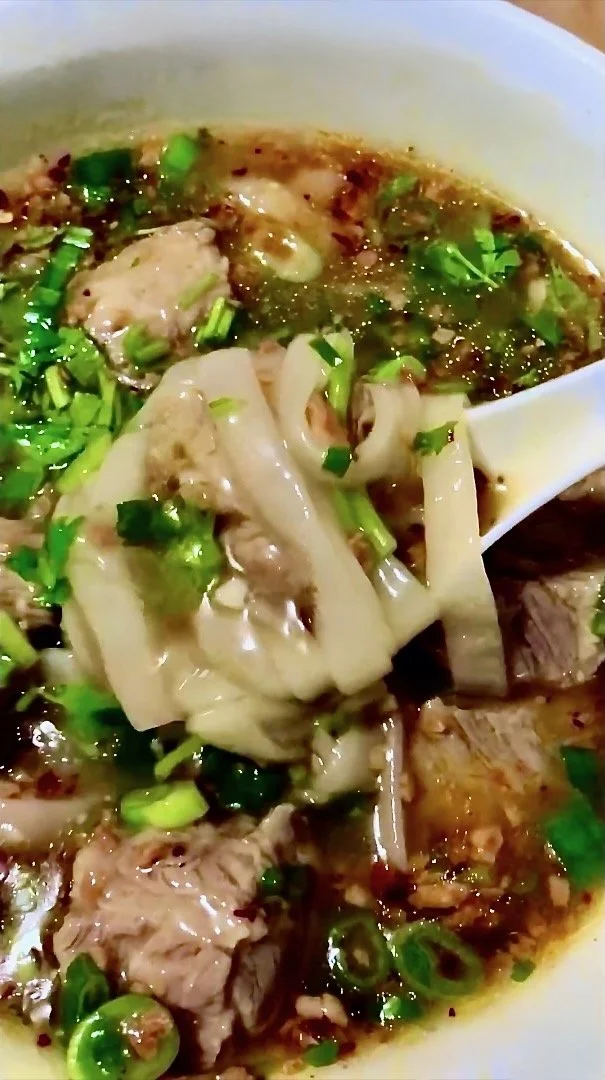
Khao Piak Naam Moo (Gingery Pork Broth Noodle Soup)
During this class, we will prepare and cook from scratch everything on the menu.
Throughout the process, we will pause to introduce new and lesser-known ingredients that are easily found in the greater Seattle area.
The small-class setting means all students are encouraged to ask questions and discuss potential variations for each dish that will make it more accessible and adaptable in everyday cooking.
FAQs
Q: What dishes will I make in this class?
A: You'll make five things from scratch: khao piak sen (fresh hand-cut tapioca and rice noodles), sen khao poon (thin round noodles pressed through a potato ricer), nam prik gaeng phet (homemade red curry paste), khao poon naam gai (red curry coconut chicken noodle soup with banana flower, snake beans, and mint), and khao piak naam moo (gingery pork broth noodle soup garnished with fried shallots, fried garlic, cilantro, and lime).
Q: Is this class gluten-free?
A: Yes. Both noodle types — khao piak sen and sen khao poon — are made from rice flour and tapioca starch, which are naturally gluten-free. The broths use fish sauce and soy sauce; if strict gluten-free is required, confirm with Chef Soy before the class about any soy sauce substitutions.
Q: What is khao piak sen?
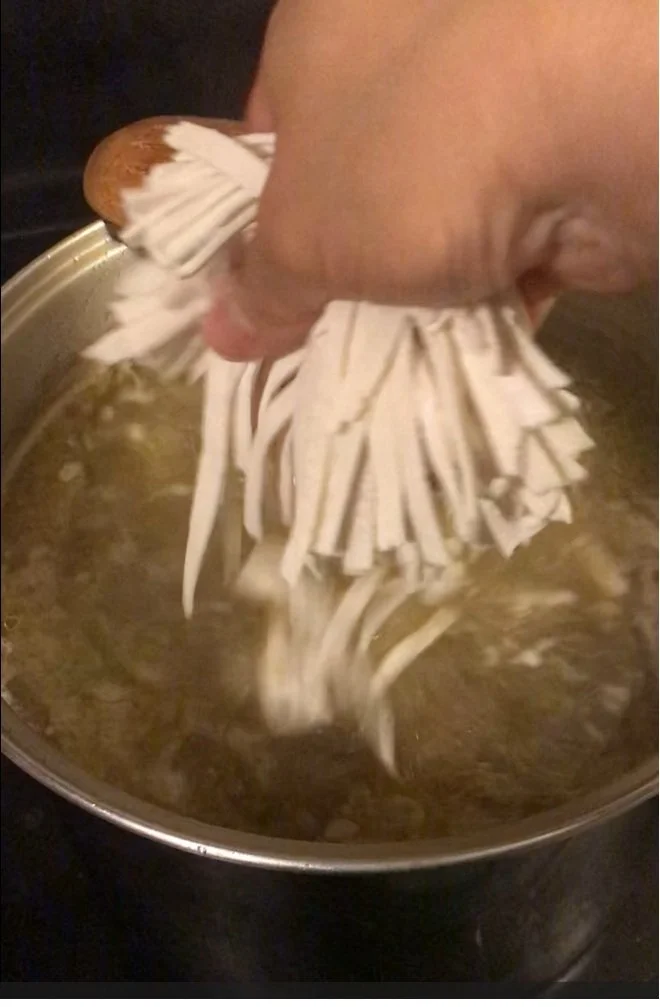
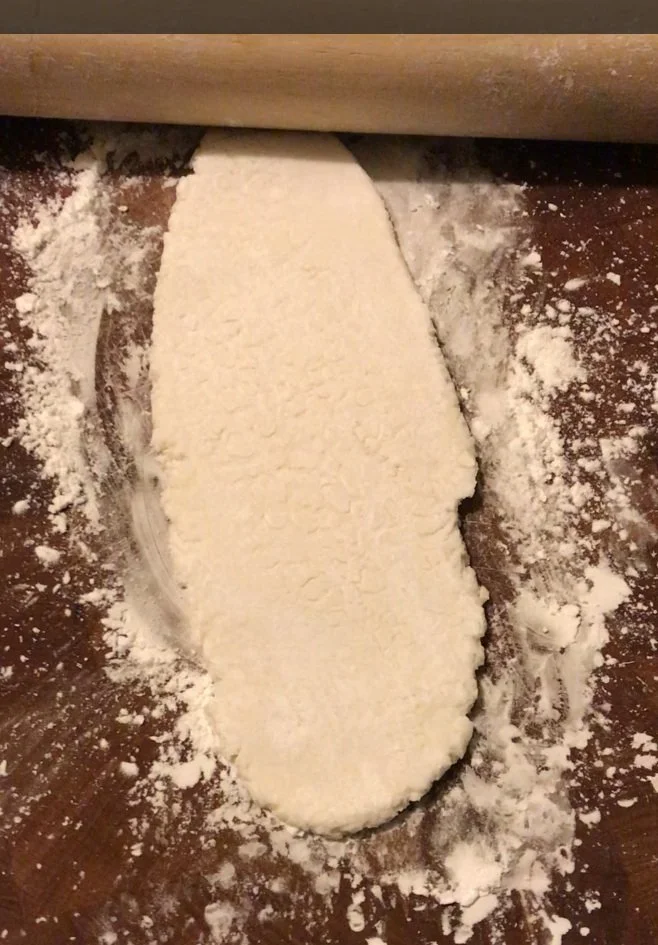
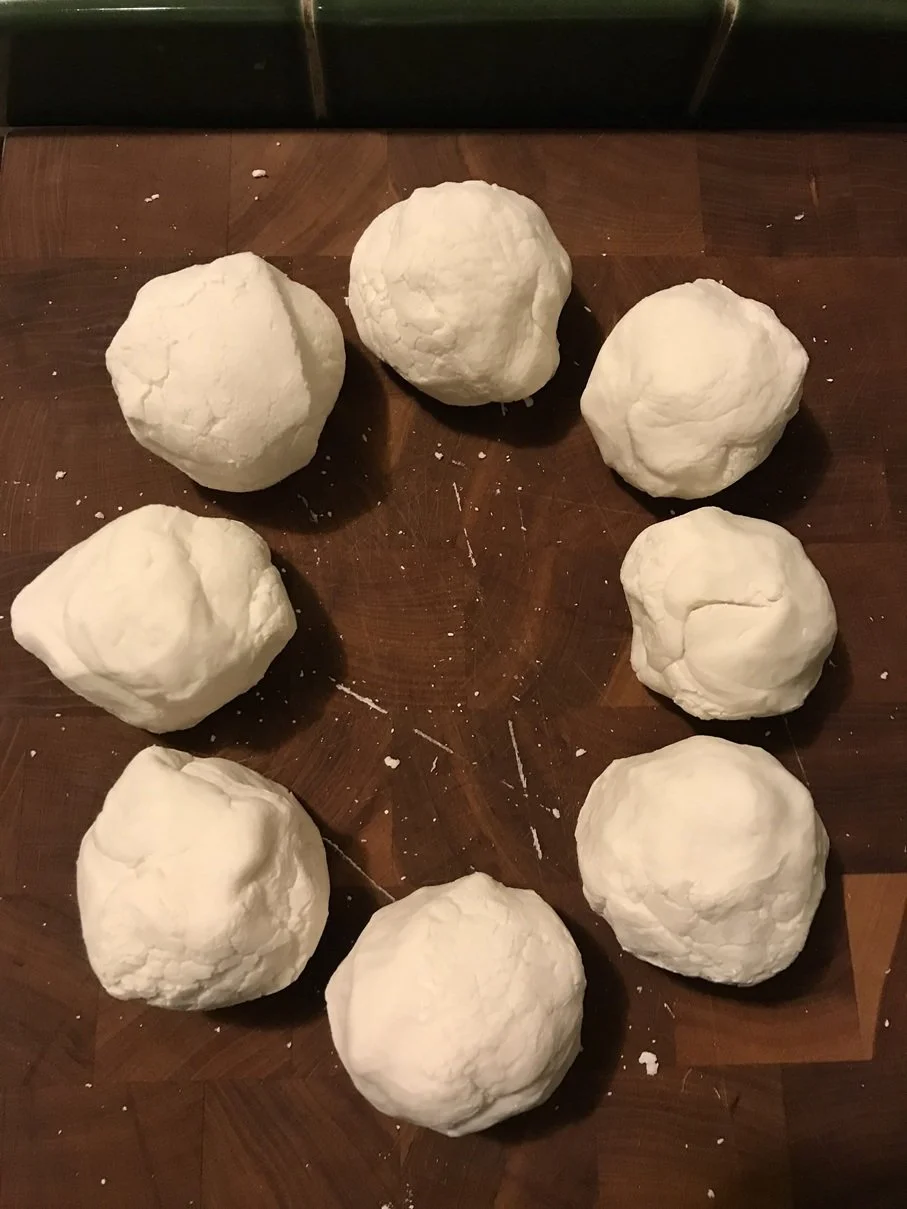
A: Khao piak sen is a fresh Lao noodle made from a mixture of rice flour and tapioca starch. The dough is formed by adding boiling water to the dry ingredients in stages, kneaded by hand for about 10 minutes, then rolled and cut into 1/4-inch strands. The noodles cook directly in broth and release some starch as they cook, giving the soup a slightly thickened body. They are best eaten the day they are made and do not hold up to freezing without breaking apart.
Q: What is the difference between khao piak sen and khao poon noodles?
A: Khao piak sen are hand-kneaded, rolled, and cut noodles — flat, wide, and chewy, similar in concept to hand-cut pasta. Khao poon noodles (sen khao poon) are thin, round, and formed by pressing a cooked rice-flour batter through a potato ricer directly into boiling water. Khao piak sen thicken the broth they cook in; khao poon noodles are cooked separately in boiling water and rinsed, then added to the soup.
Q: What is khao poon naam gai?
A: Khao poon naam gai is a Lao red curry coconut chicken noodle soup. It is made with a whole chicken simmered in an aromatic broth with galangal, lemongrass, and makrut lime leaves, then combined with a homemade red curry paste (nam prik gaeng phet), coconut milk, fish sauce, and sugar. It is served over noodles and topped with banana flower (bua kluai), snake beans, bean sprouts, mint, and cilantro, with lime on the side.
Q: What is khao piak naam moo?
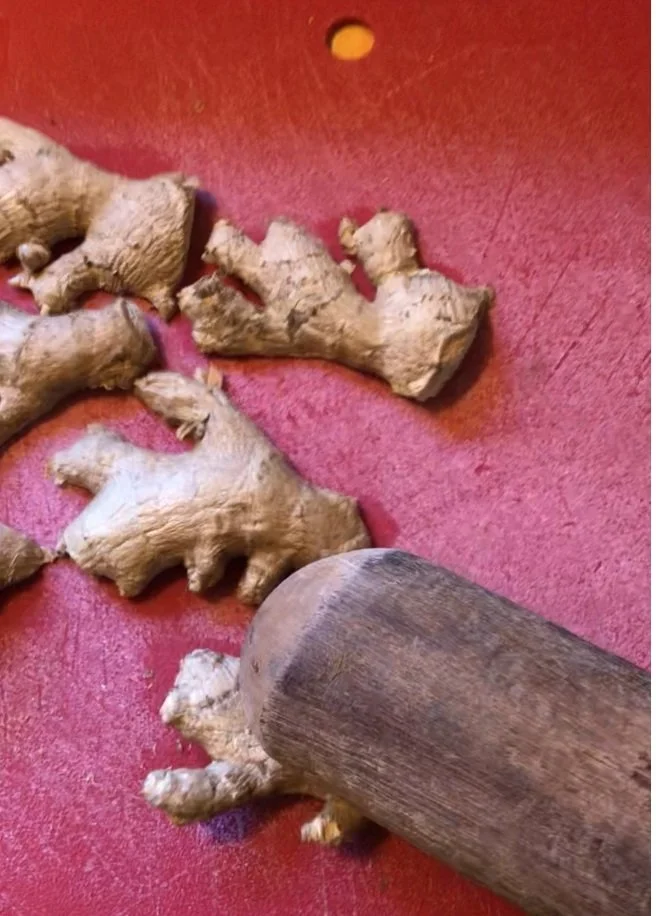
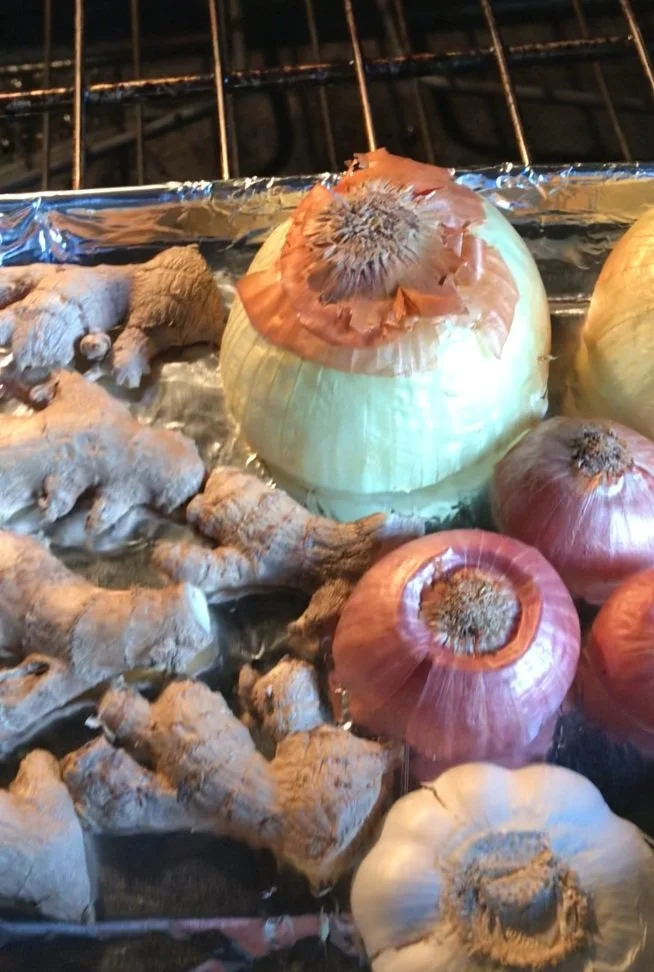
A: Khao piak naam moo is a Lao noodle soup made with a clear pork broth. The broth is built from pork neck bones and pork shoulder simmered with roasted ginger, shallots, garlic, and onion. It is seasoned lightly in the pot, then each individual bowl is seasoned at the table with fish sauce, white pepper, sugar, hot oil, and lime juice. It is served with fried shallots, fried garlic, and cilantro on top.
Q: What is nam prik gaeng phet?
A: Nam prik gaeng phet is a Lao and Thai red curry paste made from dried red chilies, lemongrass, galangal, shallots, garlic, makrut lime zest and leaves, ground white pepper, cumin, coriander, and shrimp paste. In this class it is made from scratch and used as the base of the khao poon naam gai broth.
Q: Who teaches this class?
A: This class is taught by Chef Soy Dara (@cooking_with_soy on Instagram). Soy Dara was born in a refugee camp in northern Thailand and resettled in the United States at age four. She has cooked Lao food for community gatherings and Lao Buddhist Temple events throughout her life. She is currently a full-time chef at The Pantry in Seattle and their Kids Programming Coordinator. Her other Lao cooking classes at Dash of Soy Culinary School include Street Foods of Laos and Thai Curry Classics.
Q: Where is this class held?
A: The class is held at Dash of Soy Culinary School, located at 6726B Corson Ave S, Seattle, WA 98108.
Q: What skill level is required?
A: No prior experience with Lao cooking or noodle-making is required. The class is structured for beginners to the techniques, though participants should be comfortable in a kitchen. The small class size means Chef Soy works closely with each student throughout the noodle-making and cooking process.
Q: Can I buy the specialty ingredients in Seattle?
A: Yes. All ingredients for this class are available at Seattle-area Asian grocery stores. Mekong Rainier (3400 Rainier Ave S) carries everything needed. Other options include Vientiane Grocery (3828 S Graham St), Uwajimaya (International District or Bellevue), H-Mart, and 99 Ranch Market in Kent or Edmonds. Banana flower, galangal, makrut lime leaves, tapioca starch, and lemongrass are all regularly stocked at these locations.